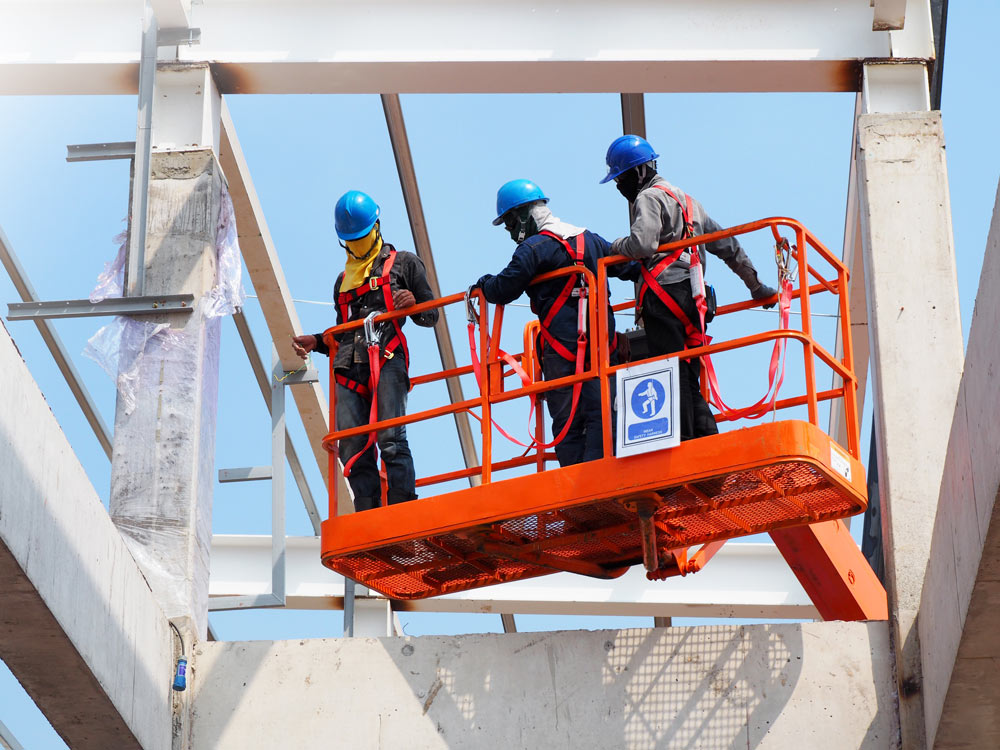
Working at height remains one of the leading causes of workplace injuries and fatalities in the UK construction and maintenance sectors. Whether cleaning high-level windows, inspecting roofs, or using access platforms like spider lifts, understanding and implementing proper safety measures is critical. In this blog post, we explore the top safety considerations when working at height to help minimise risk and promote a culture of safety.
1. Risk Assessment First
Before any work begins, a thorough risk assessment should be conducted. This involves identifying potential hazards, evaluating who might be harmed and how, and determining the best control measures to reduce or eliminate risks. The assessment should be site-specific, taking into account environmental conditions, building structure, and the nature of the task.
Key points to include in a risk assessment:
- Height of the work area
- Surface conditions (slippery, uneven, fragile)
- Weather conditions (especially wind and rain)
- Equipment needed (ladders, MEWPs, scaffolding, PPE)
- Emergency rescue plan
2. Choosing the Right Equipment
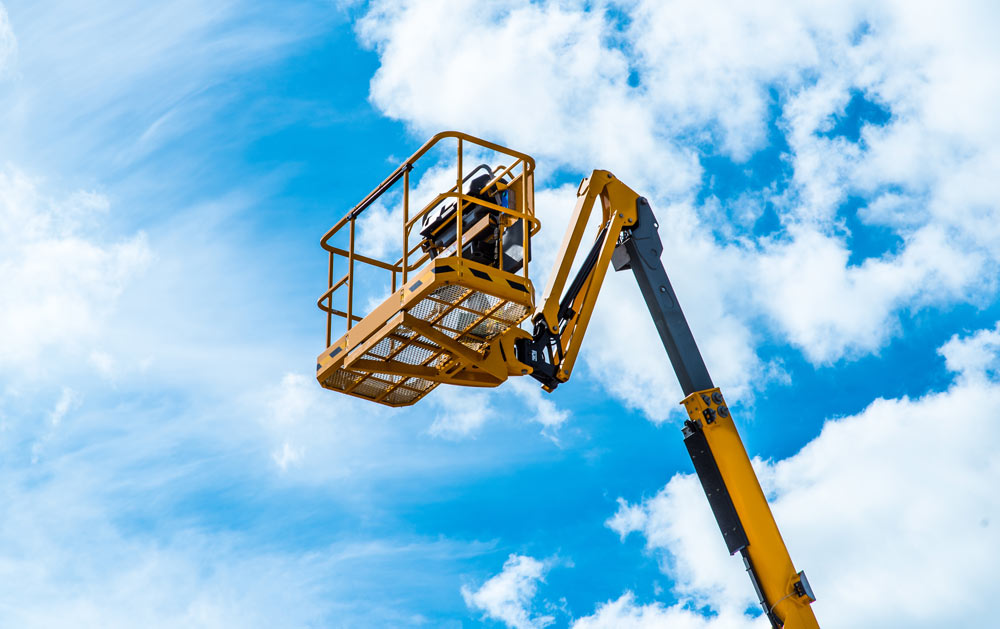
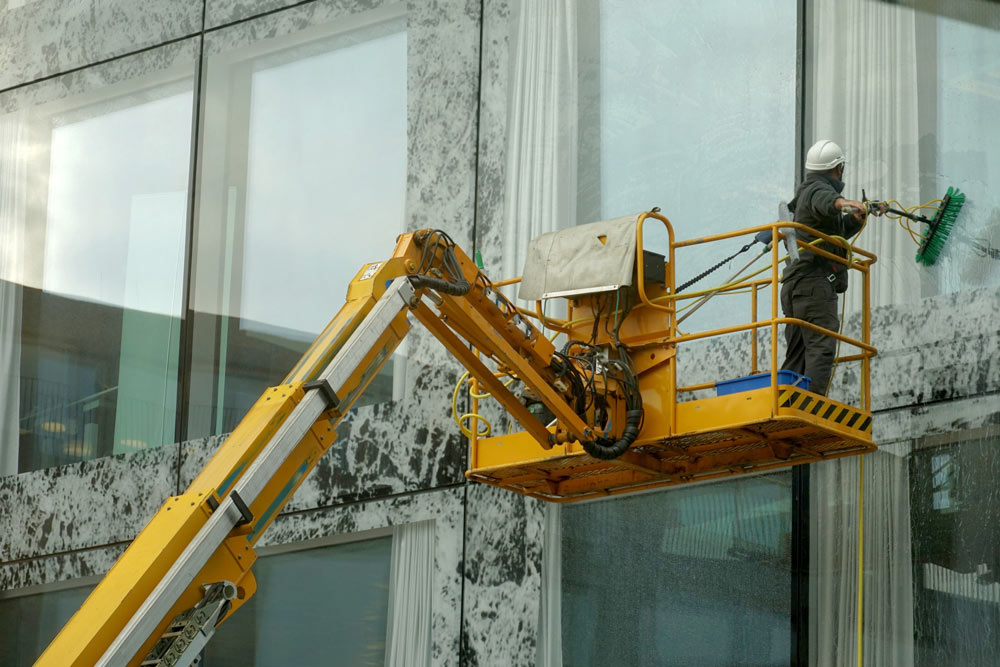
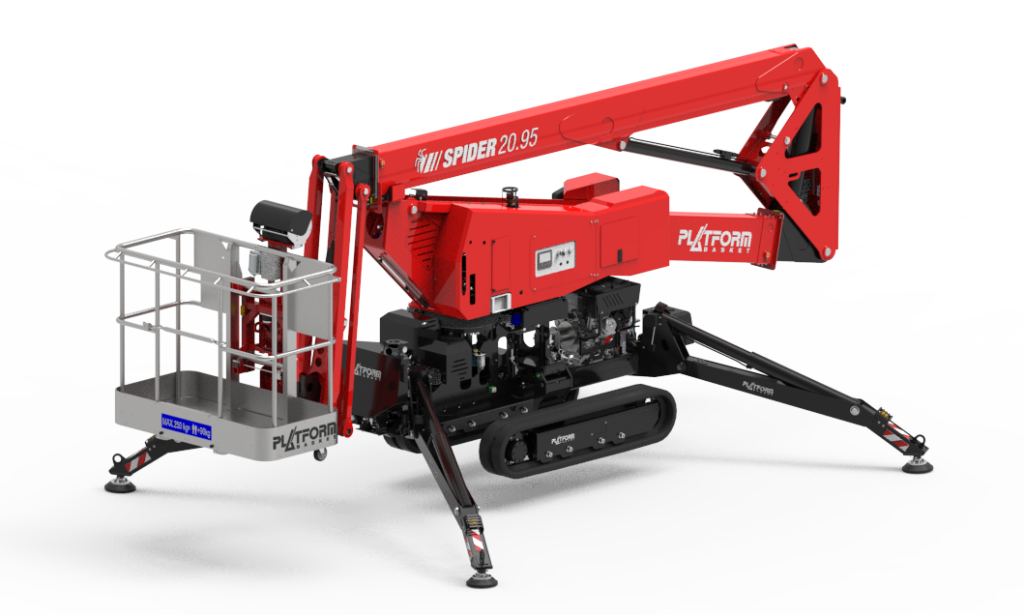
Using the appropriate equipment for the job is crucial. For instance, spider lifts are excellent for accessing awkward or restricted areas safely. Truck-mounted platforms may be more suitable for higher elevations or work over public spaces.
Types of equipment to consider:
- Mobile Elevating Work Platforms (MEWPs)
- Scaffold towers
- Ladders (only for short, low-risk tasks)
- Fall arrest systems
Ensure all equipment is inspected before use and maintained regularly in line with manufacturer guidelines and legal requirements.
3. Training and Competence
Only trained and competent individuals should be permitted to work at height. Training should include correct use of equipment, emergency procedures, and hazard recognition. For those operating powered access platforms, certification such as IPAF (International Powered Access Federation) is essential.
Training should cover:
- Safe use of MEWPs and fall protection systems
- Understanding of risk assessments and method statements
- Emergency rescue drills
- How to identify and report hazards
4. Fall Protection Systems
Fall protection is essential when working at height. Depending on the job, this may include guardrails, safety harnesses, and fall arrest or fall restraint systems. Workers should be trained in the correct fitting and use of harnesses, and equipment should be checked before every use.
Common fall protection methods:
- Guardrails and edge protection
- Personal fall arrest systems (PFAS)
- Fall restraint systems
- Safety nets
5. Weather Awareness
Weather plays a significant role in the safety of high-level work. Rain, ice, and strong winds can make surfaces slippery and reduce stability, particularly when operating access equipment.
Considerations for weather conditions:
- Wind speed limits for MEWPs and platforms
- Postpone work in storms, heavy rain, or icy conditions
- Use non-slip footwear and mats
- Monitor forecasts and adapt schedules as needed
6. Site Management and Supervision
Having a designated supervisor on-site helps ensure safety procedures are followed. They can oversee equipment checks, ensure all workers are using PPE properly, and respond quickly to any incidents or near-misses.
Supervisor responsibilities:
- Enforce safety protocols
- Conduct toolbox talks and safety briefings
- Monitor worker performance
- Update risk assessments as conditions change
7. Emergency Planning
An emergency rescue plan is a legal requirement when working at height. This plan should be specific to the task and location, and all workers should be briefed on what to do in the event of a fall or accident.
Emergency plan should include:
- Communication methods (e.g. radios, phones)
- Roles and responsibilities in an emergency
- Access for emergency services
- First aid provision and rescue equipment
8. Regular Inspections and Maintenance
All equipment used at height should be regularly inspected by competent persons. This includes harnesses, MEWPs, scaffolding, and even ladders. A pre-use check should also be done daily.
Inspection tips:
- Keep inspection records
- Tag faulty equipment immediately
- Schedule regular maintenance
- Replace damaged components promptly
9. PPE: Personal Protective Equipment
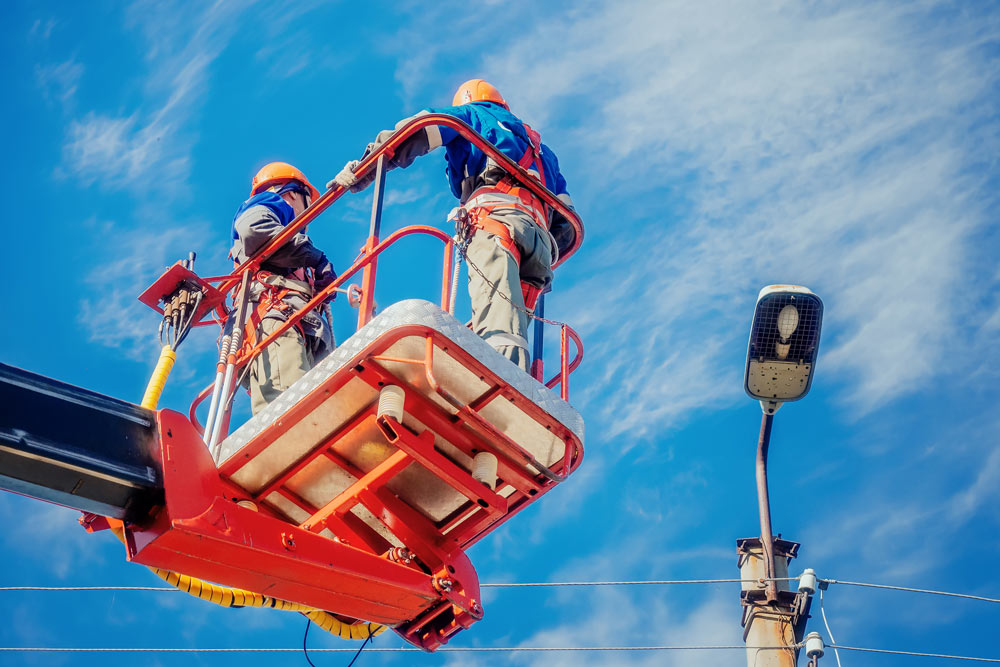
The correct PPE can make a critical difference in the event of an incident. At a minimum, high-visibility clothing, helmets, gloves, and non-slip footwear should be worn. For work at height, safety harnesses with lanyards are essential.
PPE checklist:
- Safety harness and lanyard
- Helmet with chin strap
- Gloves for grip and protection
- Non-slip footwear
- Hi-vis vests or jackets
10. Communication Is Key
Effective communication between team members is vital. Workers should be able to report hazards, ask questions, and confirm instructions clearly—especially when operating at height where noise and distance can make verbal communication challenging.
Communication methods:
- Two-way radios or headsets
- Hand signals for MEWP operators
- Clear signage and markings
- Daily briefings before work begins
Final Thoughts
Working at height doesn’t have to be dangerous—if the right precautions are taken. By conducting proper risk assessments, choosing the correct equipment, ensuring staff are well trained, and having robust safety systems in place, businesses can minimise risks and create safer working environments.
At Support Group Services, safety is at the core of everything we do. Whether you need high-level access through Support Access or specialist cleaning via Support Clean, we deliver reliable, compliant, and safety-focused services every time.
Need expert support for high-level cleaning or access? Get in touch with Support Group Services today to discuss your project and our safety-first approach.