When it comes to working at height, having the right access equipment is essential for safety, efficiency, and cost-effectiveness. While scaffolding has been the traditional go-to solution for many years, modern alternatives like spider lifts are becoming increasingly popular in the construction, maintenance, and cleaning industries. But when exactly is it better to hire a spider lift instead of using scaffolding? In this blog post, we break down the key scenarios, benefits, and considerations to help you make the right choice for your project.
What is a Spider Lift?
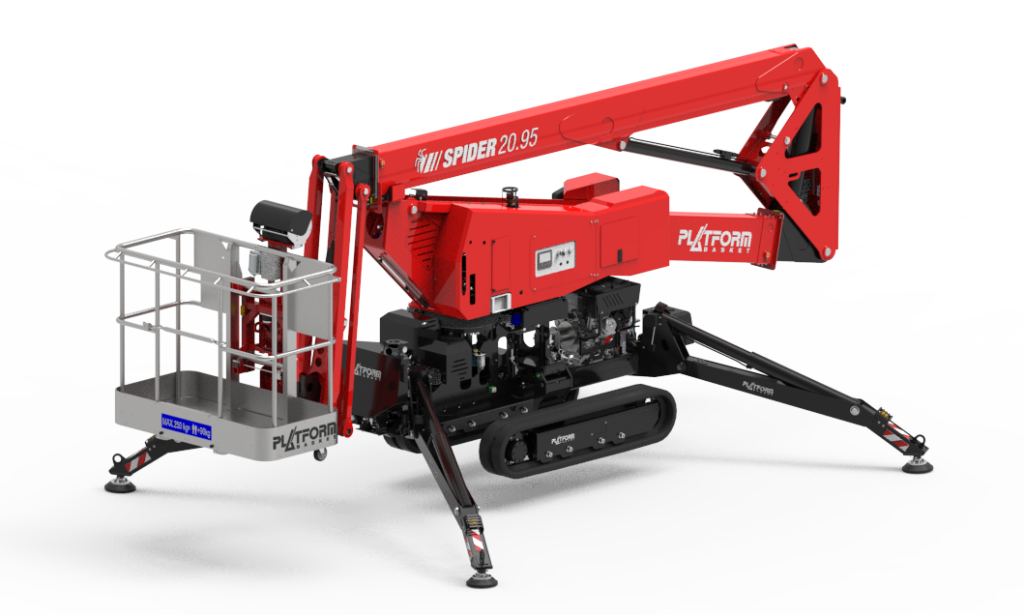
A spider lift, also known as a tracked boom lift, is a compact, lightweight mobile elevating work platform (MEWP) designed to access hard-to-reach areas safely and efficiently. These machines are named for their spider-like stabilising legs and are ideal for uneven terrain and confined spaces. They come in various heights, typically ranging from 15m to over 30m.
Key features of spider lifts include:
- Compact design that fits through narrow entrances
- Non-marking tracks for indoor use
- Excellent stability with adjustable outriggers
- High reach with precise manoeuvrability
- Can be used indoors and outdoors
1. Limited Space or Access Restrictions
One of the main advantages of a spider lift is its ability to operate in confined spaces. Unlike scaffolding, which requires ample ground space and a level surface for setup, spider lifts can navigate through narrow access points such as gates, alleyways, and doorways.
Ideal scenarios:
- Internal atriums in commercial buildings
- Narrow side paths in residential areas
- Rooftop work with minimal ground clearance
- Heritage buildings where scaffolding is intrusive
Spider lifts are particularly useful for projects where space is a premium or when minimal disruption is required.
2. Short-Term or One-Off Jobs
Setting up and dismantling scaffolding is time-consuming and labour-intensive. For jobs that only take a few hours or a single day, hiring a spider lift is often a faster and more cost-effective solution.
Perfect for tasks like:
- Roof inspections and repairs
- Gutter cleaning or maintenance
- High-level window cleaning
- Sign installation or replacement
With a spider lift, you can get in, get the job done, and move on quickly—saving both time and money.
3. Uneven or Fragile Ground Conditions
Scaffolding requires a stable, level surface for safe installation. In contrast, spider lifts are designed to handle uneven, sloped, or delicate surfaces thanks to their stabilising legs and lightweight construction.
Best use cases include:
- Landscaped gardens
- Sloped driveways
- Uneven construction sites
- Areas with soft or sensitive surfaces
The adjustable outriggers of spider lifts ensure maximum stability even on tricky terrain, reducing the risk of tipping or collapse.
4. Minimal Environmental Disruption
For heritage sites, listed buildings, or projects in public or high-traffic areas, minimising disruption is crucial. Scaffolding can be unsightly, noisy, and obstructive. Spider lifts offer a less invasive alternative.
Spider lifts are ideal for:
- Churches and historic buildings
- City centre work with limited space
- Projects requiring discreet or rapid access
Because spider lifts are mobile and quick to deploy, they can help maintain the visual integrity and functionality of sensitive environments.
5. Precision and Flexibility
Unlike scaffolding, which provides static access, spider lifts allow for flexible, dynamic positioning. Operators can adjust height and reach on the fly, making them perfect for detailed work that requires frequent repositioning.
Use spider lifts when:
- Working on complex building shapes or elevations
- Reaching over obstacles like hedges or roofs
- Accessing multiple levels in one job
The articulated boom of a spider lift enables users to get closer to the work surface without compromising safety.
6. Safety and Compliance
Both scaffolding and spider lifts must comply with health and safety regulations, but spider lifts often offer enhanced safety features such as guardrails, harness anchor points, and emergency descent systems.
Spider lifts improve safety by:
- Reducing the need for working on ladders or unstable platforms
- Providing better fall protection
- Allowing quick emergency evacuation if needed
In addition, hiring a spider lift usually includes trained operators, further reducing the risk of accidents or misuse.
When Scaffolding Might Still Be Better
While spider lifts offer many advantages, there are situations where traditional scaffolding remains the better choice:
- Long-term projects requiring prolonged access to multiple areas
- Heavy-duty construction work needing structural support for tools and materials
- Projects with continuous foot traffic over an extended area
Understanding the scope and specifics of your project will help you determine which option suits you best.
Why Choose Support Access for Spider Lift Hire?
At Support Access, part of Support Group Services Ltd, we provide safe, professional, and reliable spider lift hire solutions tailored to your site requirements. Whether for cleaning, construction, inspection, or maintenance, our fleet of spider lifts and truck-mounted platforms deliver efficient high-level access without the hassle of scaffolding.
We offer:
- Experienced, IPAF-certified operators
- Fast delivery and setup
- Flexible hire options for short- or long-term use
- Equipment suitable for indoor and outdoor use
We understand the challenges of working at height and are committed to helping you complete your project safely, on time, and within budget.
Final Thoughts
Hiring a spider lift instead of scaffolding can provide numerous advantages in the right context—from improved access and mobility to
faster turnaround times and reduced site disruption. By carefully assessing your project’s needs, you can determine the most efficient and safe access solution.
Need to hire a spider lift for your next project? Contact Support Access today for expert advice, equipment hire, and professional support tailored to your specific requirements.